Updated Nov 10, 20267 min read
Monthly Search Engine Recap – October 2026


Here is your monthly overview of the biggest news from the search engines, so you can keep your SEO strategy ahead of the competition. Welcome to our recap of October 2026.
Google tightens its guidelines for AI content
Google has updated its guidance on AI-generated content, stressing that all AI-generated content should be fact-checked manually before publication. AI-assisted content remains acceptable, but accuracy, originality, and added value are what matter.
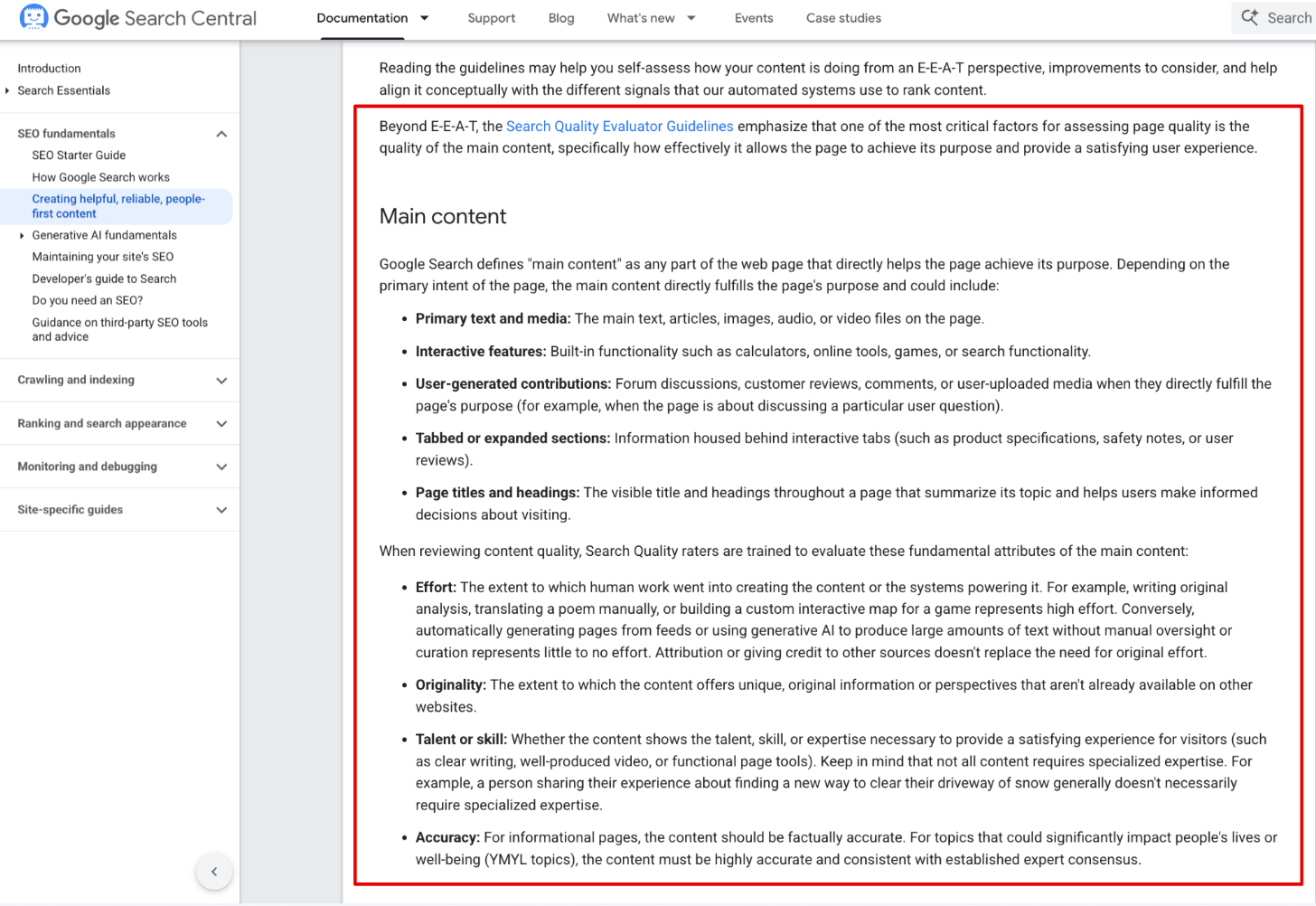
Google has also updated its people-first guidance with an explicit warning against fabricated author profiles, including AI-generated portraits, invented names, and false credentials. These practices are considered misleading and can signal low-quality content to Google's automated quality systems.
What does this mean for your business? Put a mandatory editorial process in place for AI-assisted content. The process should cover factual accuracy, metadata, originality, and genuine author information before anything goes live. In short, make sure you are following E-E-A-T.
Google's next ranking update looks set to be a big one
Google's next major ranking update could turn out to be significant, since it follows directly on from the update to the content guidelines. It may place greater weight on user satisfaction, authentic content, and real-world value.
Changes to query fan-out and how content quality is evaluated could affect how Google discovers, assesses, and surfaces information across both traditional and AI-driven search. This could raise the importance of original expertise, thorough answers, and content that genuinely matches user intent.
What does this mean for your business? Review your priority pages for generic content (a tool like Morrison can help here), and strengthen them with original insight, subject-matter expertise, and practical value. Watch for Google's official ranking update announcements before attributing performance changes to a new algorithm.
Google's crackdown on AI scraping is challenging SEO rank tracking
Google is increasingly restricting automated scraping of search results, which is disrupting traditional rank tracking tools. AI-generated search results are also more computationally expensive to produce, giving Google an added incentive to limit automated queries.
Google's efforts likely go beyond simply blocking rank trackers. They also appear aimed at stopping AI tools from reverse-engineering search results. A growing number of providers are reporting disruptions to rank tracking services, which raises questions about the long-term reliability of third-party ranking data.
What does this mean for your business? Be ready to validate ranking fluctuations against Google Search Console and SerpAPI alongside any third-party tools. Avoid relying solely on third-party rank tracking data when you evaluate performance.
Agent-based behavior is changing the approach to traditional ranking metrics
Google's push to limit SERP scraping has created constraints across third-party rank tracking tools, and delays in Google Search Console reporting further highlight the risk of relying solely on classic keyword rankings as the primary SEO performance metric.
As AI-generated answers reshape search results, performance should increasingly be measured through overall brand visibility, AI citations, and commercial outcomes rather than individual keyword positions, which no longer fully reflect the user experience.
This is partly because people are increasingly using longer, more conversational phrases when they search. A search has become more individual and more like a conversation, even when the underlying topics are just as popular as before.
What does this mean for your business? Broaden your analysis and reporting beyond classic keyword rankings to include AI brand mentions, citations, organic conversions, and revenue, while keeping consistent tracking tools in place to monitor visibility trends over time.
Google Gemini adds UTM parameters for better AI traffic attribution
Google Gemini has started adding UTM tracking parameters to outbound links. This makes it easier for website owners to identify traffic coming from Gemini and separate it from other referral sources in analytics platforms.
The update creates new opportunities to measure AI-driven site visits and conversions more precisely, although attribution is still incomplete, since not all AI platforms consistently identify their referral traffic.
What does this mean for your business? Update your GA4 reporting to identify Gemini's UTM-tagged traffic, validate channel attribution, and track AI referral sessions, engagement, and conversions separately from traditional organic search.
Google's Q3 earnings signal a shift from traditional search to AI-driven experiences
Google's Q3 2026 earnings showed the strongest year-over-year growth in search queries in five years, driven largely by AI Mode.
Google CEO Sundar Pichai outlined a future where Search evolves from simply delivering information to agents that carry out tasks, including bookings, purchases, and appointments, around the clock. AI agents will connect Search, Gemini, Chrome, Android, and Workspace.
What does this mean for your business? Extend your strategy beyond traditional rankings and traffic by prioritizing AI visibility, accurate and machine-readable business information, and content that supports purchase decisions and concrete actions. Track conversions and business outcomes alongside organic traffic to measure the evolving value of search.
Google updates its spam guidelines
Google has updated its guidelines for preventing spam and recommends that shareable pages, AI-generated outputs, and interactive tools not intended for public visibility should, as a general rule, be excluded from indexing.
Google also recommends monitoring Search Console for unexpected spikes in indexed pages, impressions, and search queries, as well as unusual increases in user-generated URLs.
What does this mean for your business? Review automatically generated, user-created, and shareable URLs to identify pages with no search value. Apply noindex where relevant, make sure Googlebot can access the directive, and monitor Search Console for unusual indexing patterns that could indicate spam or uncontrolled URL generation.
Bing Webmaster Tools introduces topic-based AI citation insight and content opportunities
Microsoft has introduced a beta feature called Topics Portfolio in Bing Webmaster Tools, which groups AI grounding queries into broader topics. The feature shows estimated citation demand, the number of cited websites, and a site's existing citation visibility across Copilot and Bing AI experiences.
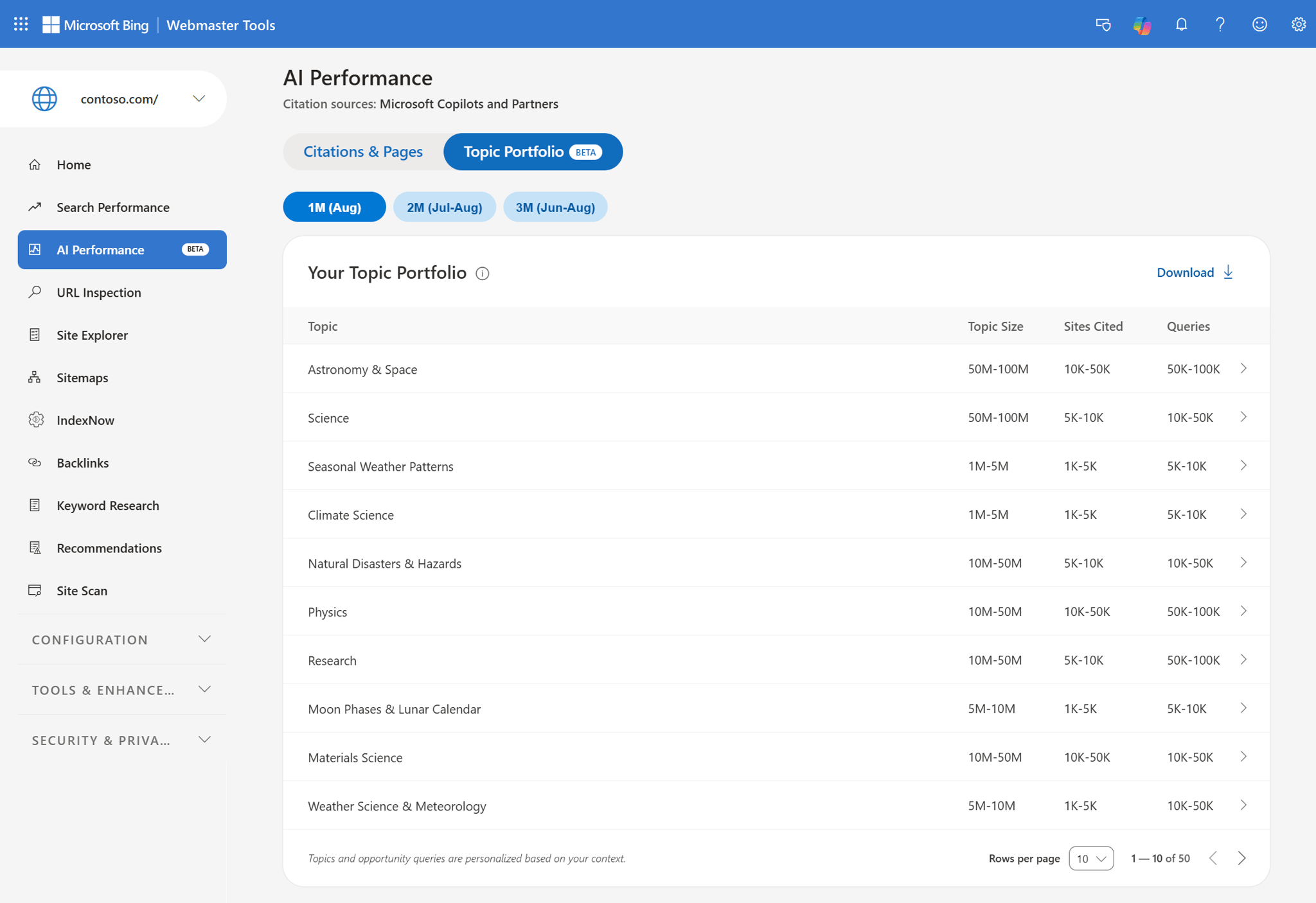
A new Top Opportunity Queries report identifies queries where competing websites are cited but yours is not, helping businesses uncover content gaps and AI visibility opportunities, although the data is directional and may include irrelevant branded searches.
What does this mean for your business? Add Topics Portfolio to your Bing Webmaster Tools reporting, identify relevant queries where competitors are getting cited, and use these insights to prioritize content and optimization within your existing topic clusters.
Google moves links higher up in AI answers to improve source visibility
Google is increasing the presence of inline links and placing them higher in AI Overviews and AI Mode answers, potentially improving source visibility and click opportunities.
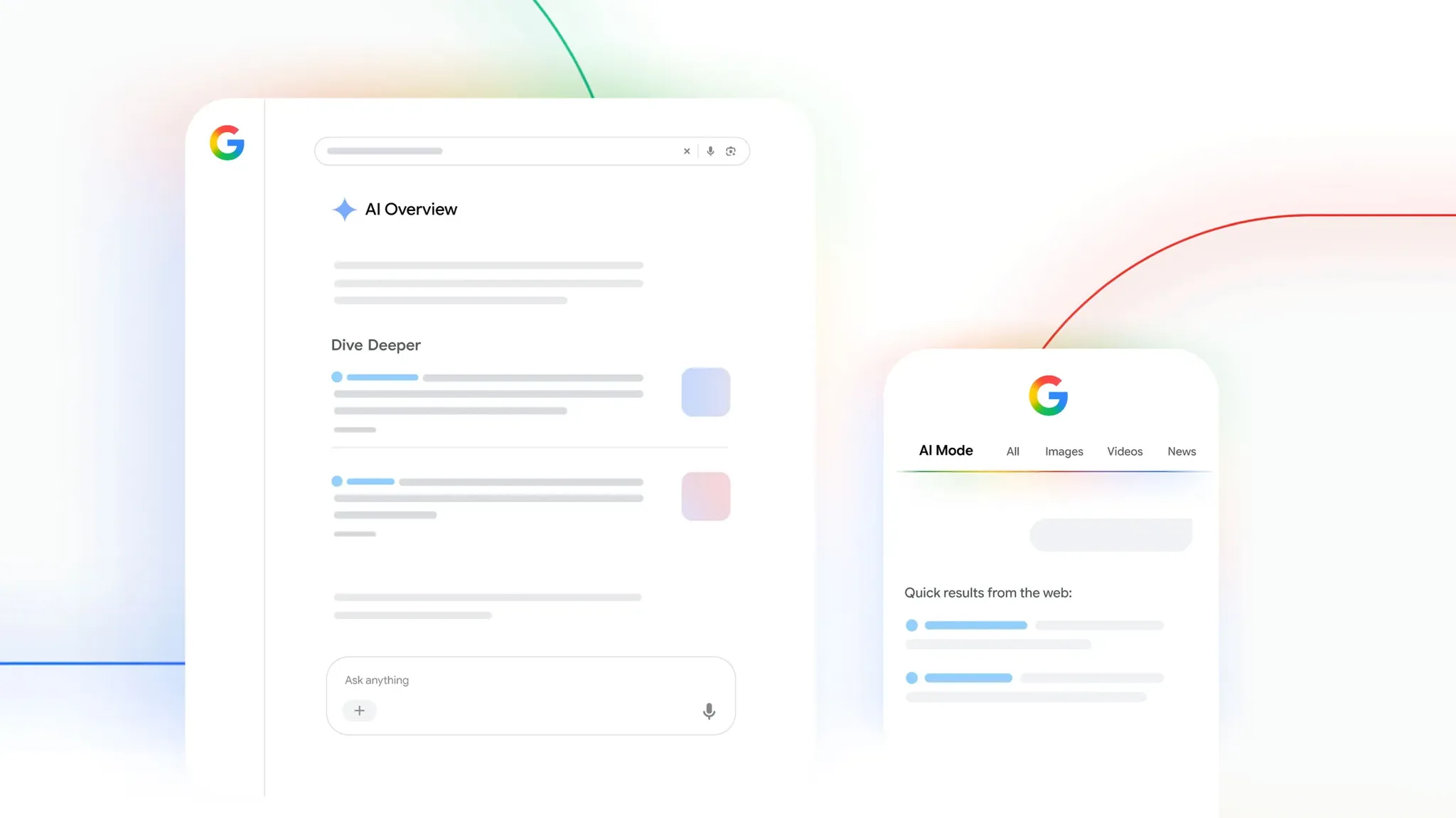
Google is also testing prominent links to official websites for task-based searches, and expanding its Preferred Sources carousels to more languages and markets. This creates further opportunities for businesses to gain visibility in AI-generated results.
What does this mean for your business? Monitor how your business appears and is cited in AI Overviews and AI Mode for priority searches. At the same time, strengthen authoritative, task-focused content, and encourage relevant audiences to choose qualified pages as Preferred Sources.
Key takeaways and recommendations
October has shown, in no uncertain terms, what 2027 will demand of the industry. Google's tighter requirements for genuine authors and fact-checked AI content make clear that authenticity is now a baseline requirement, not a nice-to-have. At the same time, the crackdown on SERP scraping and the resulting challenges for rank tracking tools show that the entire foundation for how we measure SEO success is shifting, which is why businesses need to stay on top of these changes.
Google's Q3 earnings, with record growth in search queries driven by AI Mode, confirm that we are moving from pure information search toward genuine agent-based task completion. That places new demands on how businesses make their data machine-readable and ready for action.
Finally, the month offers an important note of hope for smaller players: even though large brands dominate commercial AI searches, the data shows that authentic expertise and original insight can still earn visibility in the more inspiration-driven searches.
Want help turning these trends into concrete results? Get in touch with Bonzer. As a specialist SEO agency, we work every day to keep our clients at the top of both classic and AI-driven search.