E-E-A-T
E-E-A-T describes what Google and the AI answer engines reward: experience, expertise, authoritativeness and trust. Learn the signals, and how to build them.
E-E-A-T is the one acronym everybody working with SEO needs to understand properly. It mattered when Google's ranking systems were the only thing deciding visibility, and it matters more now that generative answers sit on top of them, because a model choosing which sources to quote is running a version of the same evaluation. Most people have heard the term. Fewer can say what it actually asks of a website day to day, or which signals it comes down to.
Understanding E-E-A-T
E-E-A-T stands for Experience, Expertise, Authoritativeness and Trustworthiness. The underlying idea is straightforward: content should carry a reader all the way through the question they came with, and it should be obvious why you are the one answering.
The concept is set out in Google's Search Quality Rater Guidelines, the document used by human evaluators around the world to assess the quality of search results. Those assessments do not change individual rankings. They do tell you, in more detail than anything else Google publishes, what the company is trying to reward.
Experience
Does the person behind the content have first-hand experience of the subject?
Experience is about the firsthand knowledge of whoever produced the content. It puts weight on having actually done the thing, which is the part that is hardest to fabricate. As a company you can show it through your own findings, through customer reviews and testimonials, and through user-generated content.
The Danish news outlet B.T. is a good example. They physically test everyday products and publish the tests on video, which leaves no doubt that someone held the product in their hands:

The first E was added to what used to be E-A-T for a specific reason. As AI-generated content became abundant, Google needed a way to distinguish content grounded in real human experience from content assembled from other people's summaries. That distinction is now one of the sharper edges in content quality.
Expertise
Are you genuinely an expert in your field?
Expertise is about demonstrating subject-matter knowledge to your audience, and it becomes critical the moment your content touches someone's health, money or safety. In SEO that category is known as YMYL, Your Money or Your Life, and the bar for it is deliberately high.
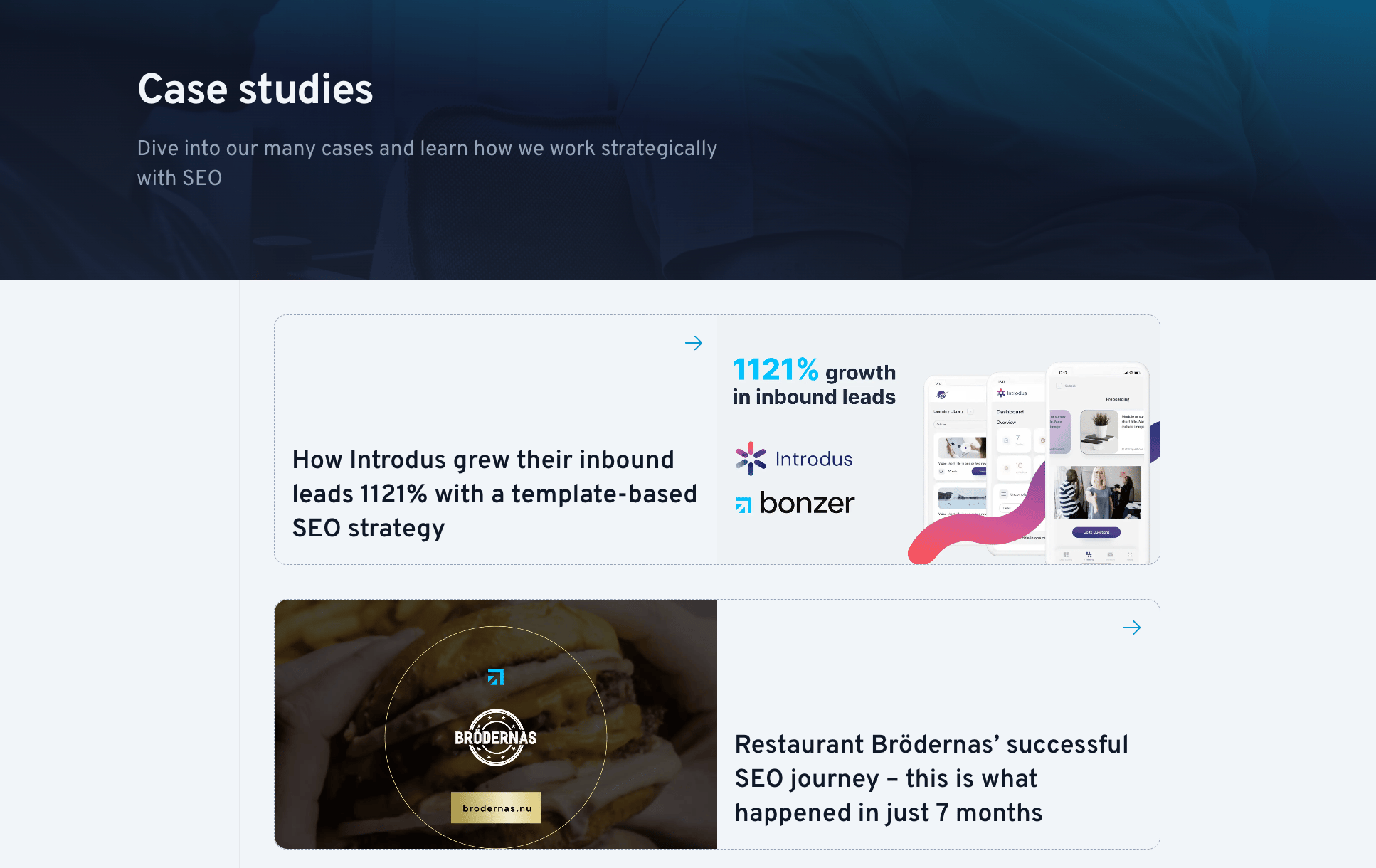
Establishing expertise means giving clear, checkable signals that you know what you are talking about. At Bonzer we do it through documented cases, which show what our work produced for a named client rather than asserting that we are good at it:
Authoritativeness
Are you recognized as an authority in your industry?
Authoritativeness is about becoming the reference point for your subject. It comes from two directions at once: covering a topic completely across several pages, and having other credible sites point at you while you do it.
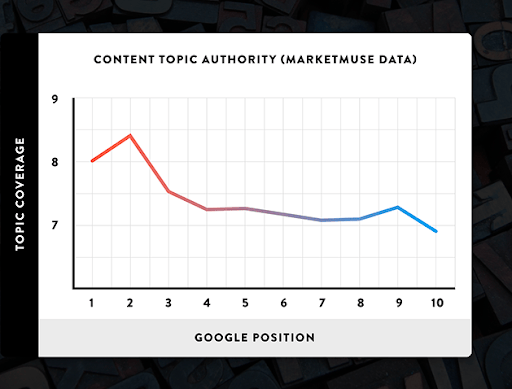
In practice, you will not rank for a competitive term unless your content covers the topic across multiple pages, gets updated and extended rather than left to age, and keeps up with what is actually changing in your field. That combination is what the industry calls topical authority, and the mechanics of building it deliberately are covered in semantic SEO.
The external half of the equation is links. Content other people want to cite is what tells search engines that recognized sources point your way, and how to earn those citations is the subject of link building.
Trustworthiness
Is your website reliable and transparent?
Trust is the cornerstone of the four, and the one most sites underinvest in. It means secure payment where relevant, customer service that answers, honest reviews, and no ambiguity about who is behind the site.
Your content has to be accurate, sourced and measured. Overstated claims cost you credibility with readers and with Google at the same time, and a single unsupportable number in an otherwise good article is enough to make a careful reader discount the rest.
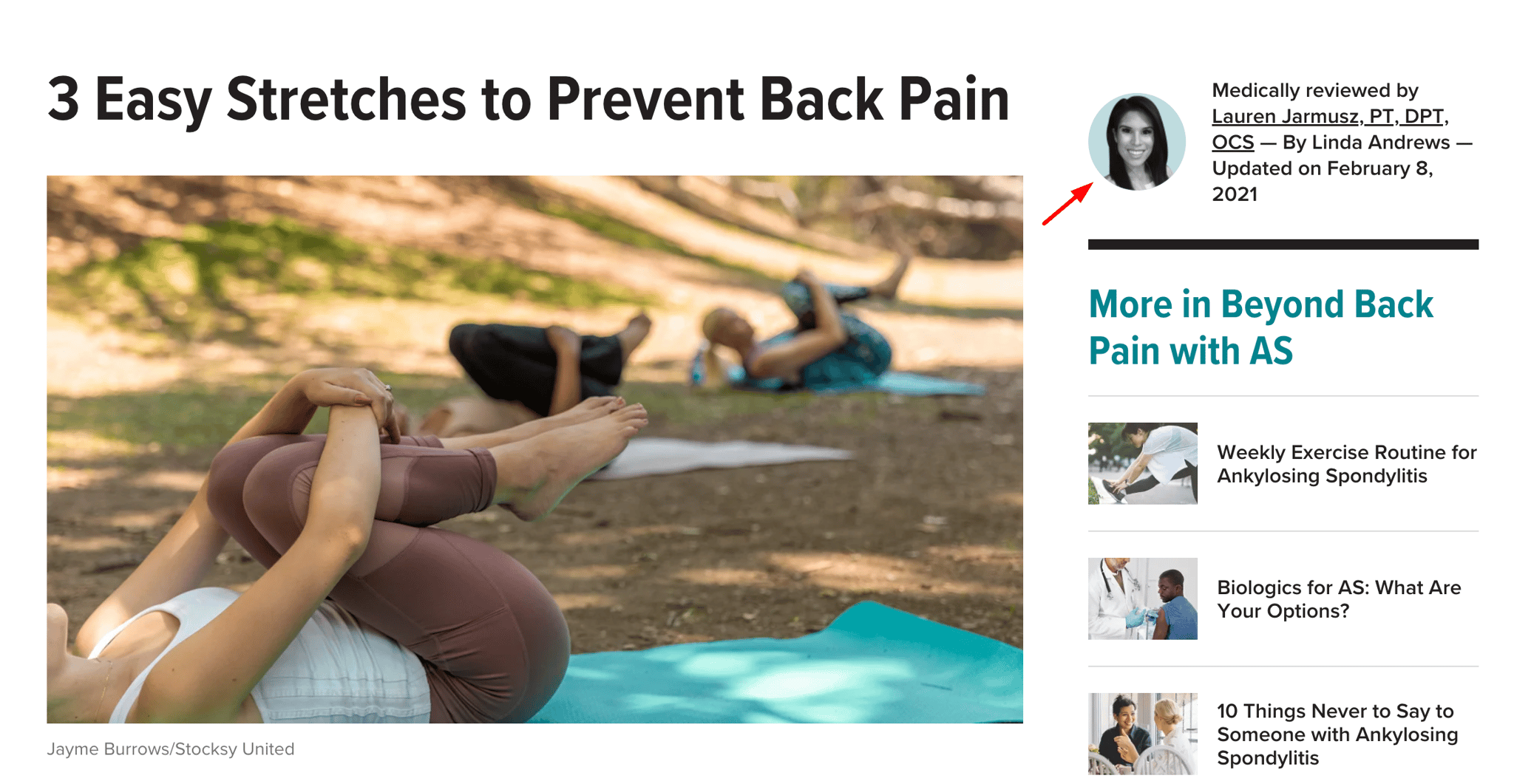
Healthline does this unusually well by showing the credentials of the people behind each piece, and by dating the last review of the medical content:
Trust extends well past the content, though. Clear contact details, a real address, transparent pricing where you can give it, and a technical foundation that does not throw security warnings all feed the same judgement.
Why E-E-A-T matters in every industry
E-E-A-T is not a ranking factor you can tick off. It is a description of what the ranking systems are collectively trying to measure, which makes it one of the most durable things you can work on. Signals come and go with algorithm updates. The question of whether you are the credible source does not.
There is a commercial argument as well. The same signals that make Google confident make a buyer confident. Named authors, documented results and honest claims raise conversion on the traffic you already have, which is why we treat E-E-A-T as a content principle rather than an SEO checklist.
E-E-A-T in AI search
This is where it has become most interesting. When ChatGPT, Copilot, Perplexity or AI Overviews compose an answer, they select a small number of sources to lean on and often name them. That selection favours exactly what E-E-A-T describes: pages with a clear author, verifiable claims, and a domain that other credible sites reference.
Two practical consequences follow. Anonymous content is at a structural disadvantage, because a model has no way to weigh a source it cannot identify. And the pages that get cited tend to state their conclusions plainly, close to the top, in language that can be quoted without being rewritten.
How to get started
We work with E-E-A-T in every strategy we build, which means the ordinary version of this work is unglamorous: put real names and credentials on content, replace assertions with evidence, retire pages you cannot stand behind, and cover your subject properly instead of broadly.
If you want that done as a deliverable, E-E-A-T optimization is where it sits, and a free SEO analysis will tell you which of the four your site is currently weakest on.